
Save Efforts.com


AI & Automation

We help you save time and effort

Earlier this month my team implemented their first automation. Concept to implementation was less than 60 days and ROI will exceed 600%! Most importantly, it eliminates repetitive daily tasks to drive better customer and employee experience.
Trusted by fast-moving companies and teams around the world





How we use AI and automation to save time & efforts
We use different methods to automate processes.Here are three of those methods,with some examples
AI & Automation
- Using browser automation to streamline tasks on websites.
- We employ ChatGPT for automating content analysis.
- Document automation for tasks like processing invoices and contracts.
- Using communication automation to streamline customer support.
- Using keystrokes and mouse actions to automate any task on a computer.
Platform Integration
- Integrating eCommerce, CRM, operations, and finance
- Integrating Suppliers,Customers,Marketplace portals.
- Connecting multiple platforms using an Open API for seamless integration.
- Integrating platforms like Emails and Slack with other systems.
- Synchronising systems in real time to reduce manual efforts
Customised Digital Platforms
- Tailored automated digital platforms designed to meet your specific reqyuirements.
- Safe,self-serving portals for customers and vendors.
- Creating a single digital solution for all business functions.
- Assisting clients in creating personalised SaaS solutions.
- Cutting down on needless taks through automated digital platforms.
Custom works
SaveEfforts helps you connect with friends,family and communities of people who share your interest.

Bespoke CRM Application
We have successfully provided a customized CRM application that aligns semlessly with our clients' unique operational workflows.This solution is equipped with automation capabilities and essential integrations to enhance efficiency.
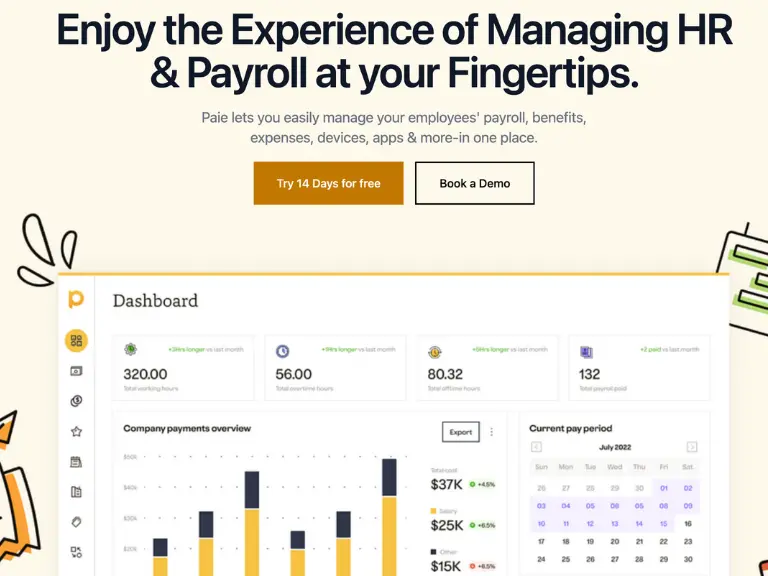
Automated Payroll System
We have implemented an automated payroll system for a United Kingdom-based umbrella agency,streamlining the entire process from timesheet submission to payment processing and comprehensive reporting.
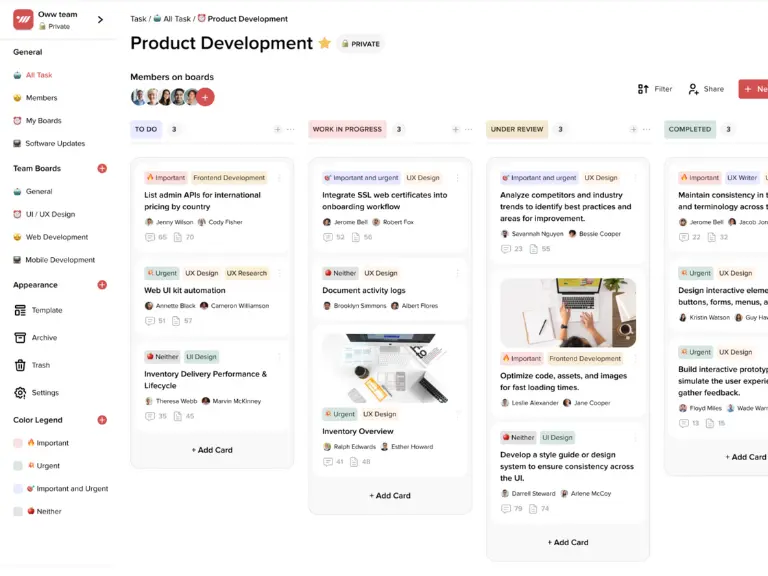
Integrated Project Management Soultion
We have successfully provided a cohesive project management solution that seamlessly integrates with HR,finance,and other essential applications.This integration has significantly facilitated our client in optimizing project processes and enhancing billing efficiency.
Frequently asked questions
What is business application automation?
Business application automation is the process of using technology to streamline and optimize various tasks and processes within your business application. It involves the use of software, scripts, and tools to automate repetitive and manual tasks, making your application more efficient and reducing the need for manual intervention.
Why should I consider automating my business application?
Automating your business application can lead to increased productivity, reduced errors, improved consistency, and cost savings. It allows your team to focus on more strategic tasks while repetitive processes are handled automatically.
What are some common tasks that can be automated in a business application?
Common tasks that can be automated include data entry, data validation, report generation, email notifications, data synchronization, and workflow management, among others.
How do I identify which tasks to automate in my business application?
Start by analyzing your existing processes and identifying tasks that are repetitive, time-consuming, and prone to errors. Tasks that involve data manipulation, approval workflows, or data integration are often good candidates for automation.
What technologies are typically used for business application automation?
Technologies used for automation can vary, but common tools and languages include scripting languages like Python, automation platforms like Zapier and Integromat, workflow automation tools, and custom software development.
Do I need a dedicated IT team to implement automation in my business application?
It depends on the complexity of the automation you require. Simple tasks can often be automated with user-friendly tools, but more complex automation may require the expertise of a developer or IT team.
How can I ensure data security when automating my business application?
Implement security best practices, use encryption for sensitive data, restrict access to automation scripts and tools, and regularly update and monitor your automation systems for vulnerabilities.
What are the cost considerations for business application automation?
Costs can vary depending on the complexity of automation, the tools and technologies used, and whether you need to hire external developers or consultants. Consider both initial setup costs and ongoing maintenance expenses.
What are the potential benefits of automating my business application in the long run?
Benefits may include increased efficiency, reduced operational costs, improved data accuracy, faster decision-making, and the ability to scale your business more easily.
How can I measure the ROI (Return on Investment) of business application automation?
You can measure ROI by comparing the time and resources saved through automation with the costs involved in setting up and maintaining the automation system. Improved productivity and reduced errors can also contribute to ROI.
Can I automate a legacy business application, or does it require a modern system?
Automation is possible for both legacy and modern systems, but the ease of automation and the tools available may vary. Legacy systems may require more effort to integrate with automation tools.
What is the typical timeline for implementing automation in a business application?
The timeline can vary widely depending on the complexity of the automation project. Simple automations may be implemented in days or weeks, while more complex projects could take several months.
Where can I get additional assistance or resources for automating my business application?
You can consult with automation experts, hire developers or consultants, and explore online resources, tutorials, and communities dedicated to automation and business process optimization.
Remember that business application automation is a valuable investment that can lead to significant improvements in your organization's efficiency and competitiveness. It's important to plan and execute automation projects carefully to achieve the best results.